
Driving in Thailand can be an exciting way to explore the country, but it’s crucial to follow local rules and regulations to ensure safety. Here’s a guide to help tourists navigate the roads responsibly.

Driver’s License Requirements

What You Need to Drive in Thailand
  • International Driving Permit (IDP): If you’re visiting from most countries, you will need an IDP along with your domestic driver’s license.
  • Thai Driver’s License: Tourists can apply for a temporary Thai driver’s license in some locations.
  • Countries with Reciprocal Agreements: Nationals from countries like the UK, Australia, and Japan may drive on their national license for up to 3 months.

List of countries that may drive with a local license for up to 3 months (depending on agreements):

  • United Kingdom
  • Australia
  • Japan
  • Germany
  • South Korea
  • United States
  • Canada
  • New Zealand

Traffic Signs and Signals

Understanding Thai Road Signs
  • Road Signs: Familiarize yourself with common traffic signs. These include speed limits, one-way streets, and warning signs.
  • Traffic Lights: They follow the typical red, yellow, and green pattern. Always wait for the green light before proceeding.

Speed Limits

Observe Speed Regulations
  • Urban Areas: Maximum speed is usually 50 km/h.
  • Rural Roads: Typically 90 km/h unless otherwise marked.
  • Highways: Speed limit can go up to 120 km/h.

Driving on the Left

Keep Left on the Road
  • Thailand follows the left-hand side driving rule. Make sure to always stay in the left lane unless overtaking.

Seat Belts and Safety

Mandatory Safety Precautions
  • Seat belts are compulsory for both the driver and passengers in the front seats.
  • Helmets are mandatory for motorbike riders, including passengers.

Alcohol and Driving

Zero Tolerance for Drunk Driving
  • The legal blood alcohol concentration (BAC) limit is 0.05%.
  • Fines and penalties are steep for driving under the influence.

Traffic Police and Fines

Dealing with Traffic Violations
  • Police may issue on-the-spot fines for minor violations.
  • For serious offenses, you may be asked to go to the police station.

Parking Rules

How to Park Safely in Thailand
  • Always park in designated parking spots.
  • Avoid parking in areas marked with yellow lines, as this is typically prohibited.

Road Safety Tips

Best Practices for Tourists
  • Drive defensively and be aware of local driving habits.
  • Be cautious around pedestrians, especially in crowded areas like markets or tourist spots.

Motorbike-Specific Driving Tips

Riding a Motorbike Safely in Thailand
  • Traffic: Motorbikes are common in Thailand, and riding one can be a fast and convenient way to get around. However, traffic can be chaotic, so stay alert at all times.
  • Lane Discipline: Motorbikes often weave between cars in traffic, so always be aware of your surroundings and signal your intentions clearly.
  • Weather Conditions: Rain can cause slippery roads, so adjust your speed and driving style accordingly.
  • Petty Traffic Violations: Avoid weaving through traffic or breaking traffic rules to prevent fines.

Road Signs in Thailand – What Do They Mean?

Driving in Thailand offers a unique experience, with city streets contrasting sharply with rural roads. While major roads are generally well-marked, the country’s rural areas can be hazardous. Understanding key road signs is essential for a safe and enjoyable journey, whether you’re navigating busy urban streets or the more challenging rural routes.

Warning Road Signs in Thailand

Warning signs in Thailand are typically red or yellow, designed to alert drivers to potential hazards. Pay close attention to these signs, as they provide vital information about dangers ahead, helping you stay safe on the road.

Railroad crossing ahead with barriers

Warning for the end of a divided road

Warning Stop and give way ahead

Deer crossing in area - road

Steep descent ahead

Give way ahead

Give way ahead

Falling rocks in road - area warning

Slippery road surface ahead

Poor road surface ahead

Cattle crossing

Speed bumps in road

Rail crossing ahead with 1 railway

Stop and give way to all traffic

Roundabaout ahead

Crossing for pedestrians warning ahead

Warning for a divided road

Warning for a side road merging with the main road

Warning for an uncontrolled Y-crossroad

Road bends right then left

Give way to all traffic

Road bends to the right

Road ahead curves to the left side

Road narrows ahead

Warning for an uncontrolled T-crossroad

Crossroad ahead, side roads to right and left

Double curve ahead, to the left then to the right

Road narrows on the left

Road narrows on the left

Roadworks ahead warning

Cars not allowed - prohibited
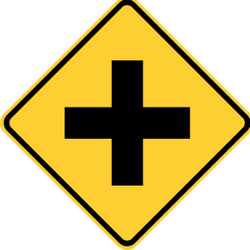
Uncontrolled crossroad ahead

Rail crossing without barriers ahead

Warning for a narrowing

Warning for curves

Traffic light ahead

Road gets narrow on the right side

Two-way traffic ahead

Information Road Signs in Thailand

Information signs are the most common type of road sign in Thailand. They provide essential details about the road you’re on and what to expect ahead, helping you navigate efficiently.

Road ahead is a dead end

Motorway begins

Mandatory Road Signs in Thailand

Mandatory road signs in Thailand indicate actions you must take. Unlike advisory or informational signs, these are rules that must be followed, making them some of the most important road signs to understand.

Pass on right only

Cyclist must use mandatory path

Cyclist must use mandatory path

Turning left or right mandatory

Mandatory left

Passing left compulsory

Pedestrians move use mandatory path

Mandatory path for motorcycles

Ahead Only

Driving straight ahead or turning right mandatory

Direction of traffic on roundabout

Driving faster than indicated compulsory (minimum speed)

Priority Road Signs in Thailand

Priority road signs in Thailand indicate who has the right of way at junctions or intersections. If you’re used to driving on the opposite side of the road, be aware that priorities, especially at roundabouts, may differ from what you’re accustomed to.

Warning for an uncontrolled Y-crossroad

Crossroad ahead, side roads to right and left

Direction of traffic on roundabout

Give way to all traffic

Roundabaout ahead

Passing left compulsory

Pedestrians move use mandatory path

Uncontrolled crossroad ahead

Give way to oncoming traffic, road narrows

Warning Stop and give way ahead

Stop and give way to all traffic

Prohibitory Road Signs in Thailand

Prohibitory road signs in Thailand are used to restrict specific vehicles or actions, such as prohibiting U-turns or setting maximum speed limits.

Speed limit

No turning / u-turn allowed

Entry not allowed / forbidden (checkpoint)

Overtaking not allowed

Lorries - Trucks forbidden

Turning left prohibited

Height restriction ahead

Stopping and parking forbidden

No entry (one-way traffic)

Give way to oncoming traffic, road narrows

No parking

Turning right prohibited

Conclusion

Stay Safe and Enjoy Your Trip

Driving in Thailand can be a great way to explore the country, but it’s crucial to follow these rules for a safe and enjoyable experience. Always be aware of local customs, respect traffic laws, and drive carefully. Whether driving a car, motorbike, or scooter, safety should always be your top priority.

What are your feelings